

Molded pulp packaging is no longer just an eco-friendly option—it is a strategic differentiator that directly influences consumer purchasing decisions. From electronics and cosmetics to food, appliances, and premium goods, leading brands are shifting from plastic-based materials to molded fiber packaging to strengthen environmental credibility, enhance product protection, and meet global regulatory demands. As consumers increasingly value sustainability, packaging is no longer a “background element” but a visible signal of a brand’s values. This shift explains why mold pulp packaging is now emerging as a key selling point for modern consumer brands.
Sustainability as a Competitive Advantage
Consumer behavior has changed dramatically. Today’s buyers evaluate a product not only by its performance but also by how responsibly it is manufactured and packaged. Molded pulp packaging aligns perfectly with this trend because it is made from recycled paper, natural fibers, and biodegradable materials that minimize environmental impact. Unlike plastic, which can remain in the environment for centuries, molded fiber packaging naturally decomposes within months. This characteristic allows brands to clearly communicate their sustainability efforts and demonstrate commitment to reducing waste. When customers unbox a product and see eco-friendly packaging, it reinforces a positive perception that directly enhances brand loyalty.
Superior Protection and Structural Strength
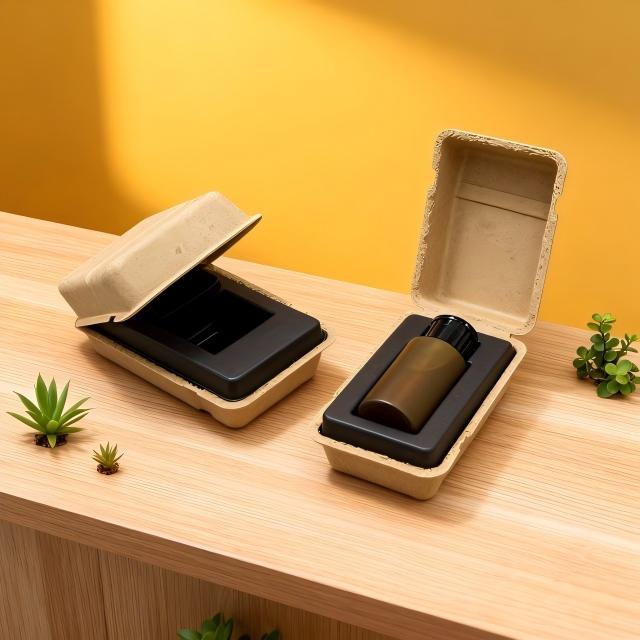
While sustainability is a major driver, modern mold pulp packaging also delivers exceptional functional performance. Its ability to be custom-molded around complex shapes allows manufacturers to protect delicate items more securely than traditional foam or plastic inserts.
The natural shock-absorbing and compression-resistant properties of molded pulp packaging provide excellent protection for electronics, glassware, cosmetics, and other fragile products throughout transportation. With global supply chains facing higher logistics stress, brands prefer a packaging solution that can withstand pressure, vibration, and temperature changes—without compromising sustainability. For consumer brands, this combination of protection and eco-friendliness becomes a powerful marketing point, especially when targeting premium markets.
Compliance With Global Environmental Regulations
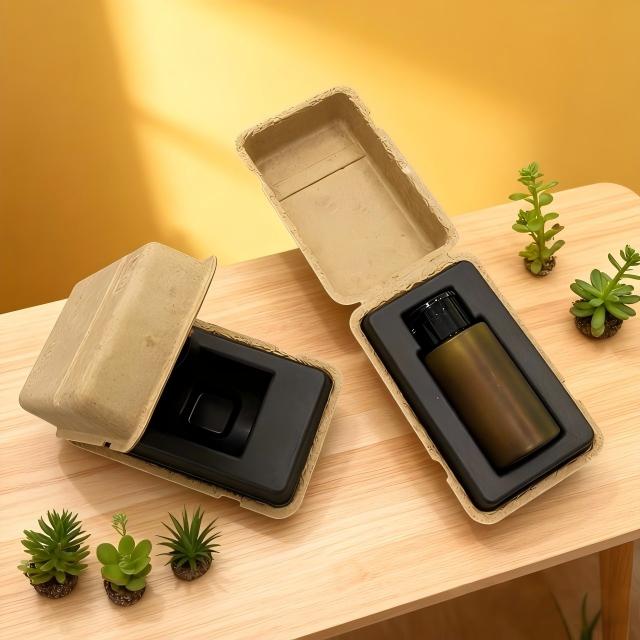
Countries worldwide are tightening restrictions on single-use plastics, styrofoam, and non-recyclable packaging. This regulatory shift pushes companies to adopt sustainable packaging solutions that meet recycling, composting, and biodegradability standards.
Molded pulp packaging naturally complies with most environmental regulations and is recognized globally as an eco-friendly material. By adopting molded fiber packaging, brands reduce compliance pressure, avoid regulatory risks, and strengthen their ESG (Environmental, Social, Governance) performance—an increasingly important factor for investors and corporate partners. Brands that adopt mold pulp packaging proactively position themselves as responsible and future-ready, gaining a significant competitive edge.
Enhanced Branding and Unboxing Experience
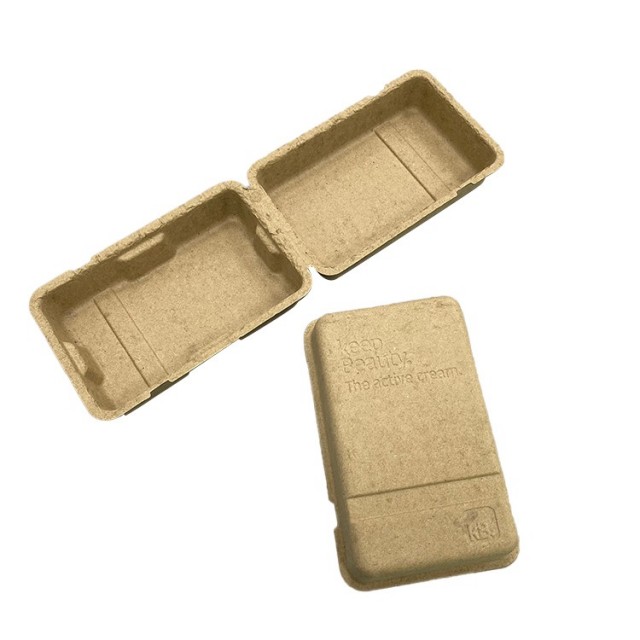
Packaging is an essential part of the consumer experience. With customizable textures, shapes, embossing options, and premium natural aesthetics, molded fiber packaging elevates the look and feel of any product.
Brands can customize:
· textures
· contours
· product-fit cavities
· logo embossing
· color-matching (with natural pigments)
These features create a cohesive unboxing journey that enhances brand storytelling. The visual simplicity and natural appearance of molded pulp packaging make it especially appealing to eco-conscious consumers and luxury brands that value minimalism.
For lifestyle products—such as electronics, wellness goods, beauty items, and home accessories—this aesthetic advantage becomes a strong selling point that appeals directly to consumer emotions.
Supports Circular Economy and Low-Carbon Manufacturing
Manufacturers increasingly pursue circular economy solutions to reduce waste and energy consumption. Molded pulp packaging fits seamlessly into this framework because it is produced from recyclable materials and can be recycled again after use.
The production process of molded fiber packaging generally requires:
· lower energy consumption
· fewer chemicals
· reduced emissions
compared to traditional plastic manufacturing. This significantly lowers a brand’s carbon footprint, which is an important metric for modern consumers and business partners.
Companies can proudly highlight these environmental benefits in their marketing, turning their packaging approach into a measurable sustainability achievement.
Why Molded Pulp Packaging Boosts Sales
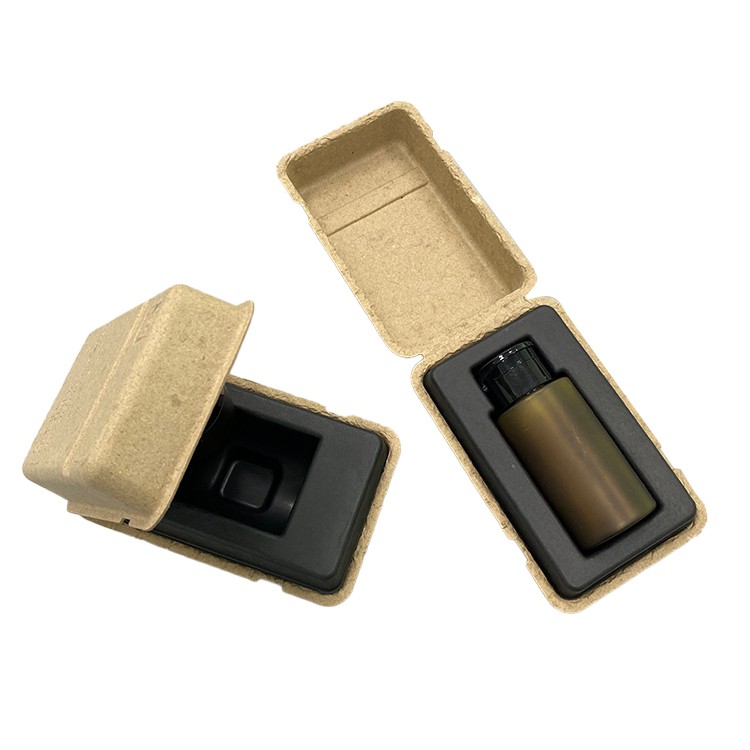
For consumer brands, packaging is more than protection—it influences purchasing behavior. Studies show that consumers are more likely to:
· choose products with eco-friendly packaging
· pay a premium for sustainable materials
· trust brands that use biodegradable solutions
Because molded pulp packaging satisfies both functional and environmental expectations, it becomes a compelling market advantage. When a brand chooses molded fiber packaging, it signals progress, responsibility, and innovation—qualities that consumers reward with greater loyalty.
Summary:
Molded pulp packaging has evolved from a basic protective material into a strategic branding asset. By combining sustainability, protection, customization, regulatory compliance, and a superior unboxing experience, it empowers consumer brands to stand out in a competitive landscape.
As global demand for eco-friendly packaging continues to grow, brands using molded fiber packaging are not only reducing environmental impact—they are gaining recognition as industry leaders aligned with modern consumer values. If a brand wants to strengthen its sustainability story, enhance product value, and build long-term trust, adopting molded pulp packaging is no longer optional—it is essential.